

Does Black ABS Furnace Venting Have to Be Replaced in Ontario?
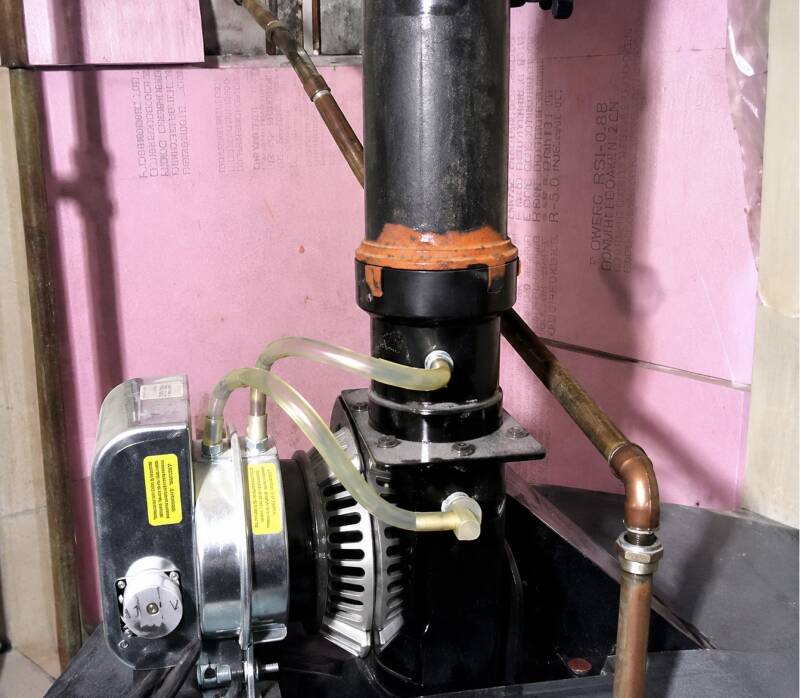
If you own an older home in Ontario with a high-efficiency furnace or water heater, you may have noticed black ABS plastic venting connected to the appliance.
One of the questions homeowners sometimes ask is:
“Is black ABS furnace venting illegal, and do I have to replace it?”
The answer is more complicated than simply saying that black ABS is "no longer to code."
This is an issue I originally wrote about back in 2014 because I was concerned about homeowners being told that older ABS venting automatically meant their furnace or water heater had to be replaced.
More than a decade later, it's still worth explaining the difference between current installation requirements and an existing installation.
Why Was Black ABS Used for Furnace and Water Heater Venting?
For many years, plastic piping—including ABS—was used for venting certain high-efficiency gas-fired furnaces and water heaters.
As experience with these venting systems increased, problems were identified with some older plastic venting systems. The Technical Standards and Safety Authority (TSSA) reported failures involving predominantly ABS plastic pipe and fittings, including stress cracking and melting.
Damage to a gas appliance vent is a serious concern because the vent is responsible for safely carrying combustion products outside the home.
What Is ULC S636 Venting?
Ontario adopted requirements that plastic venting systems used for applicable gas-burning appliances be certified to ULC S636, Standard for Type BH Gas Venting Systems.
Modern S636-certified venting is specifically tested and certified for use as gas appliance venting.
Today, when an applicable new furnace, boiler or water heater is installed, the plastic venting system must meet the current requirements and the appliance manufacturer's installation instructions.
Does Existing Black ABS Venting Automatically Have to Be Replaced?
This is where there has historically been confusion.
The introduction of the ULC S636 requirement did not automatically require every homeowner with an existing ABS vent to immediately replace it simply because the code changed.
TSSA's guidance specifically addressed existing appliances and existing uncertified plastic venting.
That distinction is important.
An older installation can have venting that would not be permitted on a new installation today without automatically meaning that the homeowner must replace the entire furnace or water heater.
However, that does not mean every old ABS vent is safe to continue using.
Its condition, installation, appliance, applicable code requirements and any alterations or replacement work all need to be considered.
What If the ABS Venting Is Cracked or Damaged?
That's a completely different situation.
If an inspection finds that the venting is cracked, deteriorated, leaking or otherwise unsafe, it needs to be addressed.
A damaged combustion vent can potentially allow combustion products, including carbon monoxide, to enter the home.
Never ignore damaged furnace, boiler or water-heater venting.
What Happens When the Furnace or Water Heater Is Replaced?
This is another important distinction.
When an older gas appliance is replaced, you generally cannot assume that the old uncertified ABS venting can simply be connected to the new appliance.
Current venting requirements apply to replacement appliance installations. In many situations, this means the existing plastic venting must also be replaced with a venting system suitable for the new appliance and certified to the applicable standard.
There can be specific circumstances and approved procedures involving existing venting, but these need to comply with TSSA requirements and should be handled by a qualified gas technician.
Does Old ABS Venting Mean You Need a New Furnace or Water Heater?
Not necessarily.
The presence of older ABS venting by itself does not automatically mean that the appliance needs to be replaced.
The condition of the appliance and the condition and compliance of the venting system are separate issues.
If there is a legitimate problem with the venting, a qualified gas technician should determine what corrective action is required.
Be cautious if someone uses the presence of black ABS alone as proof that you immediately need to purchase an entirely new furnace or water heater.
Ask Questions Before Agreeing to a Replacement
If you're told that your furnace or water heater must be replaced because you have black ABS venting, ask the technician to explain exactly what is unsafe or non-compliant.
Is the vent cracked?
Is it leaking?
Has it deteriorated?
Is the appliance being replaced?
Is there another specific code or installation issue?
A qualified technician should be able to explain the concern rather than simply saying, “Black pipe is illegal, so everything has to be replaced.”
If you're uncertain about a gas-code or safety issue in Ontario, the Technical Standards and Safety Authority (TSSA) is the provincial authority responsible for fuels safety and is an appropriate source for further information.
The Bottom Line
Older black ABS gas-appliance venting should not be ignored, because failures have occurred and damaged venting can present a serious safety concern.
At the same time, the fact that current installations require ULC S636-certified venting does not mean every existing furnace or water heater with older ABS venting automatically became illegal when the requirements changed.
Have the installation properly inspected by a qualified gas technician and make decisions based on the actual condition of the venting, the appliance and the applicable requirements—not simply the colour of the pipe.
At SDG Duct Cleaning, we're licensed HVAC technicians serving Cornwall, Stormont, Dundas & Glengarry and surrounding Eastern Ontario communities. Our goal with these articles is to provide homeowners with straightforward information about their HVAC equipment and help them better understand when a genuine safety or maintenance concern exists.